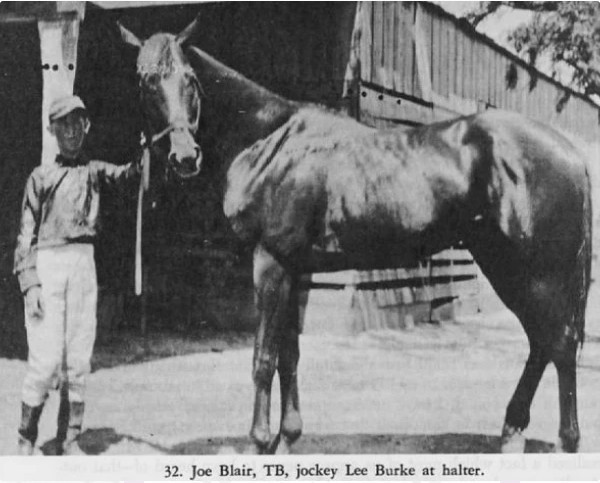
Vandy was foaled in 1943. He was bred by C. L. Brown in Cloudcroft, New Mexico. Vandy was by Going Light, an unraced son of multiple stakes winner Sweeping Light. His dam, Jean Ann Blair, was by Joe Blair, a famous son of Bonnie Joe. Joe Blair was a stakes-placed sprinter. In 1915, he lost to the great mare Pan Zareta in a match race at Juarez, Mexico. He later set a World Record for 3 furlongs at that same track. Joe Blair sired nineteen Jockey Club registered foals. He was also the sire of Joe Reed, the third horse registered with the American Quarter Horse Association.
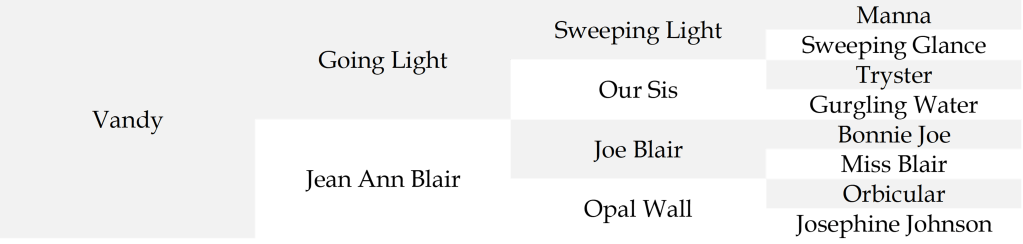
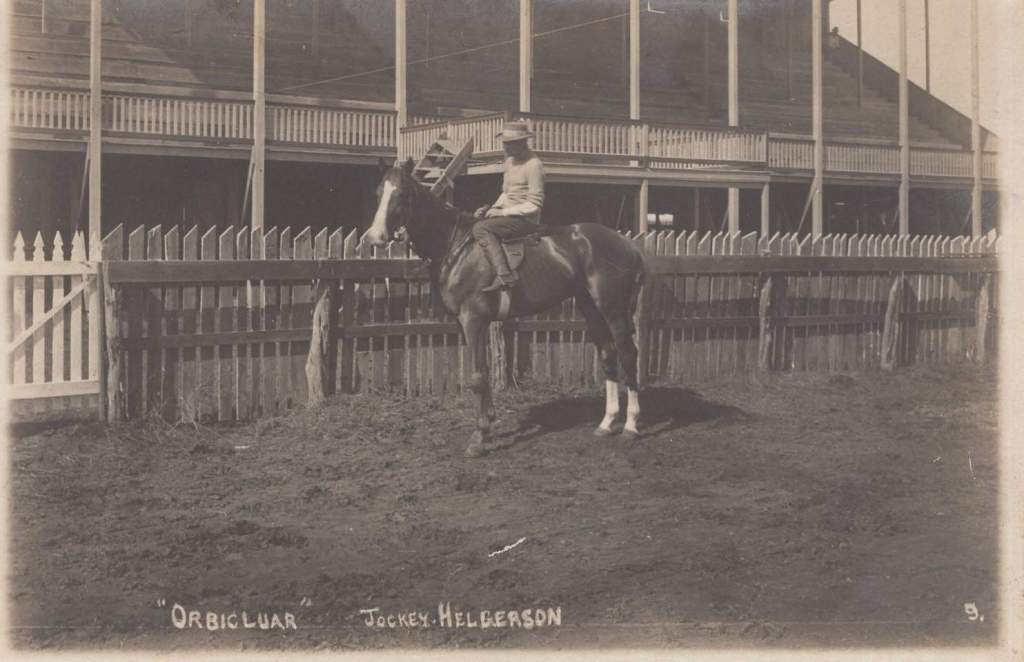
Jean Ann Blair was not one of Joe Blair’s registered foals. She was foaled in 1931. During the Great Depression, some Thoroughbred breeders decided that it was unprofitable to register their foals with The Jockey Club, the registry for Thoroughbreds foaled in North America. It was for that reason that Jean Ann Blair never received her registration papers. Through his dam, Vandy inherited the speed and durability of great runners Bonnie Joe and Orbicular, but he also inherited a predicament.
Because Jean Ann Blair was not registered with The Jockey Club, Vandy was not allowed into the studbook. Unfortunately, his pedigree did not include any recognized Quarter Horse bloodlines, so he was not eligible for registration with the American Quarter Horse Association either. That being said, the AQHA was not the only Quarter Horse registry that existed in the United States during the 1940s. The American Quarter Racing Association and the National Quarter Horse Breeders Association were respected registries that accepted horses based on conformation and merit. Therefore, Thoroughbreds that could win a halter class or a quarter-mile race could make it into these registries, and many did.
In 1949, the AQHA absorbed the records of the AQRA and the NQHBA. The AQRA became the AQHA Performance Department. Horses that were registered with the AQRA were given the equivalent of an AQHA Appendix certificate with the possibility to earn a Register of Merit and move into the numbered registry. The records of the NQHBA, which was a larger, more stringent registry, were integrated with the AQHA under the stipulation that all NQHBA registered horses would receive numbered certificates. This excluded horses that were registered with any other breed registry. Since many of the Thoroughbreds in the NQHBA books had not been registered with The Jockey Club during the Depression, they received full AQHA papers. That is the explanation of how Vandy, a horse with a Thoroughbred pedigree, was issued a Quarter Horse number.
In 1945, Vandy made his debut in the Pawhuska Open Futurity. He had only been in race training for about three weeks. Vandy went to the extreme outside in the futurity but managed to finish third in a close photo. His owner was not happy with his performance, so he sold Vandy and his dam to Tom Gray of Tulsa, Oklahoma. Vandy got more race experience and then sold to Dee Garrett of Pawhuska, Oklahoma. Garrett would own the sorrel stallion for the rest of his life.
Vandy ran in match races more often than recognized races. His official race record only listed five starts and three wins, but Quarter Horse historian Nelson C. Nye found that Vandy made 23 starts and won 19 races. Like his damsire, Vandy also famously lost to great mares. He ran second to Woven Web, aka “Miss Princess,” in Del Rio, Texas. He was also bested by Barbara B in Albuquerque, New Mexico. Those losses did not tarnish his reputation as a racehorse. Vandy was renowned for his impressive speed and spirit. He set a track record for 440 yards at La Mesa Park. In his final start, Vandy was injured leaving the gate. He still managed to outrun Lucky and May West Ferguson to win the 330-yard sprint, but he was in so much pain that he barely made it back to his stall.
Garrett allowed Vandy to recover from his injury and then put him to stud. His first foals arrived in 1948. Vandy’s Question, a roan stallion by Vandy and out of Lorane Question, became his first stakes winner when he set a new track record in the 1952 Three-Year-Old Derby at Osage Downs. Vandy Reed became his next stakes winner when she captured the 1953 Kansas Futurity. Vandy Reed went on to produce ten AQHA registered foals, including Racing Register of Merit earners Air Freight, Jimbol, Top Orbit and Vandymaker.
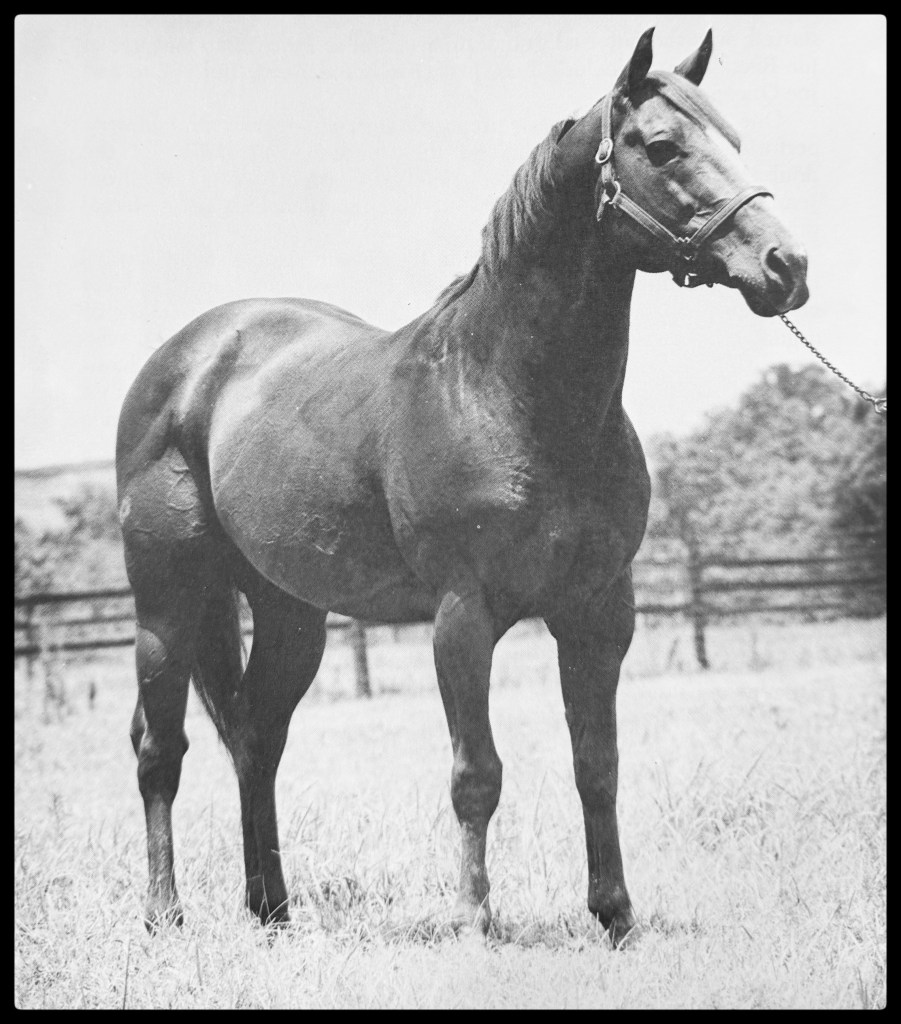
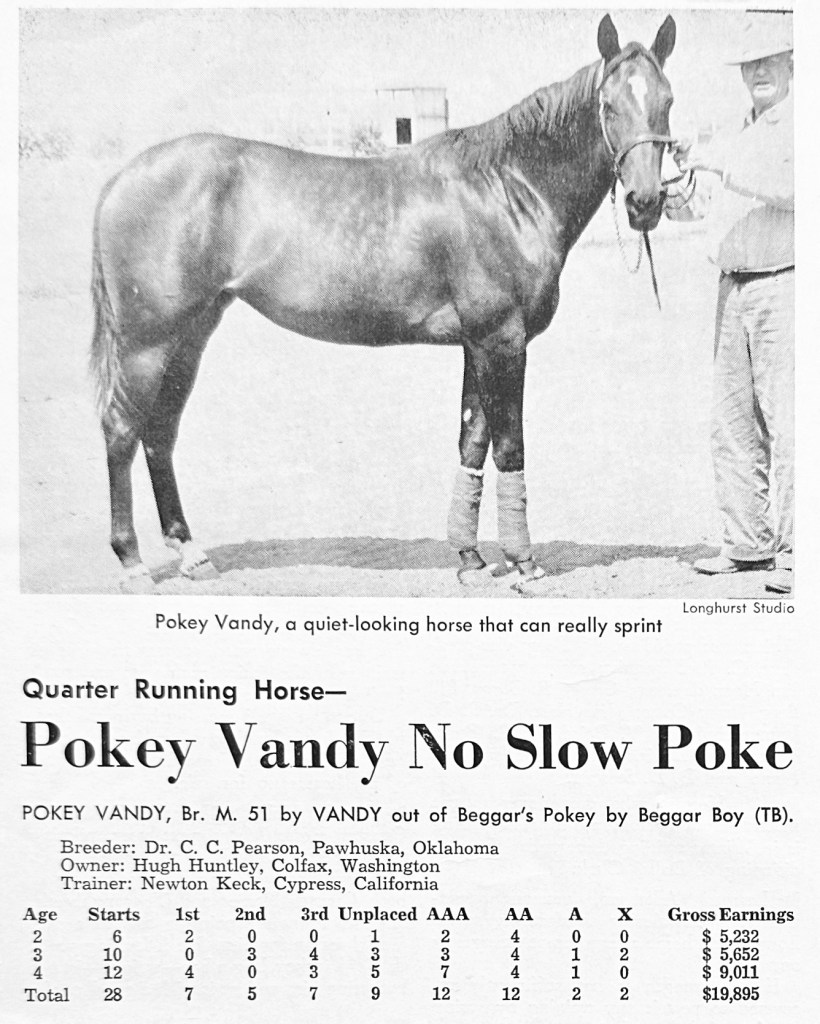
Pokey Vandy, a brown mare bred by Dr. C. C. Pearson, was Vandy’s first champion. Pokey Vandy won the 1953 Rocky Mountain QHA Derby at Centennial Race Track. She later set a new track record for 440 yards in the 1955 Autumn Championship at Los Alamitos. After that decisive victory, Pokey Vandy was named the 1955 AQHA Racing Champion Mare. Pokey Vandy went on to produce four AQHA registered foals. Her son Pokey Bar was the 1961 AQHA Racing Champion Two-Year-Old Colt!
Vandy’s best runners were out of Garrettsmisspawhuska, Dee Garrett’s stakes winning daughter of Leo. Their first foal, Vandy’s Betty, placed fourth in the 1954 Rocky Mountain QHA Futurity. Their second foal, Vanetta Dee, was Vandy’s second Racing Champion. In 1955, Vanetta Dee won eight races, including the Clabbertown G Handicap, and earned the title of AQHA Racing Champion Three-Year-Old Filly. Vanetta Dee dominated the distaff division for years. She was named the AQHA Racing Champion Mare in 1956, 1957 and 1958. Her biggest wins were in the Los Alamitos Invitational Championship, Johnny Dial Stakes, Shue Fly Stakes, California Horse Racing Association Handicap and Miss Princess Invitational Handicap. Vanetta Dee went on to produce four AQHA registered foals, including Racing ROM earners Vanetta Bar, Go Moore Go and Mr Deck Moore.
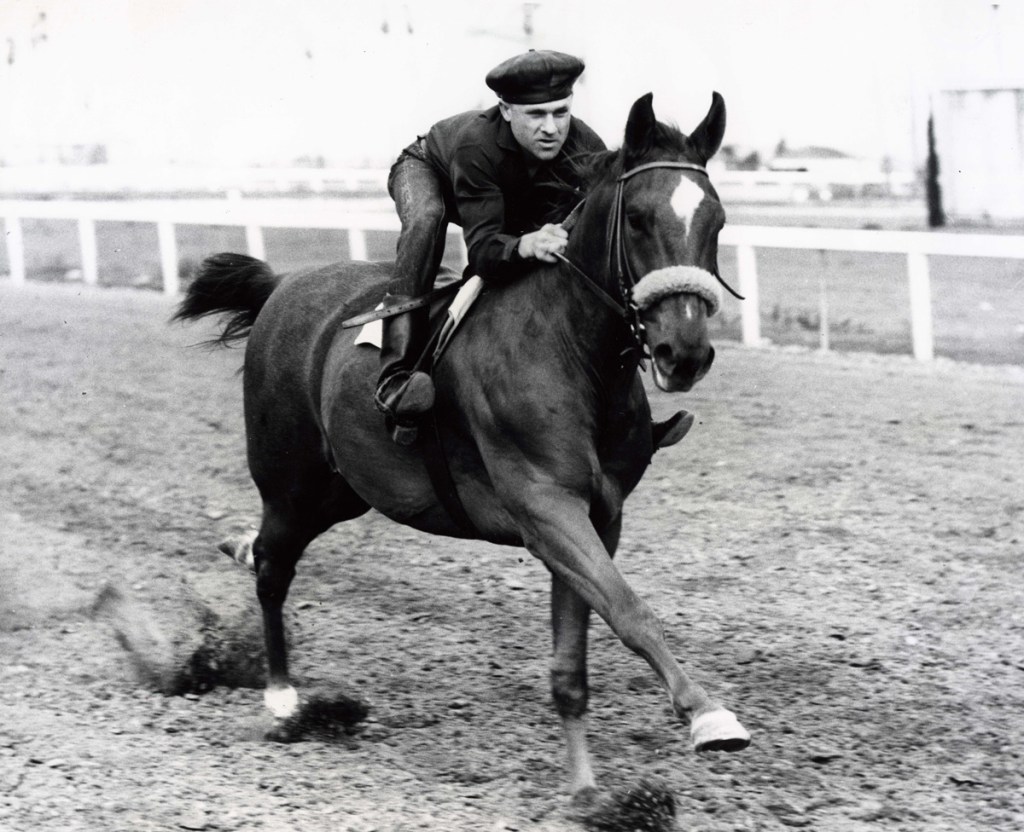
Vannevar, the next foal from Vandy and Garrettsmisspawhuska, was Vandy’s third champion. Vannevar won twelve races, including the Pacific Coast QHRA Derby, Blowed Toad Memorial Handicap, Shue Fly Stakes, Peter McCue Stakes and Miss Princess Invitational Handicap. He was named the 1956 and 1957 AQHA Racing Champion Gelding.
Vandy’s Flash was the best runner from the legendary Vandy and Garrettsmisspawhuska cross. Vandy’s Flash earned the title of 1958 AQHA Racing Champion Gelding after his victory in the Ruidoso Maturity. In 1959, he won four races and placed in several stakes. Vandy’s Flash kicked off his six-year-old season by setting a new track record in the Shue Fly Stakes at Los Alamitos. He then set a new World Record in the Los Alamitos Invitational Championship for 440 yards in 21.7 seconds. Vandy’s Flash was named the 1960 World Champion Racing American Quarter Horse. He continued racing until he was ten years old. His final record showed 28 wins and $101,848 in earnings. Vandy’s Flash was inducted into the AQHA Hall of Fame in 2016.
Vansarita, Miss Vanity, Vansarita Too and Garrett’s Vandy were the final foals from Vandy and Garretsmisspawhuska. Vansarita Too was a multiple stakes winner and Miss Vanity was stakes placed. Garrettsmisspawhuska was not the only daughter of Leo that crossed well with Vandy. The success of that nick was duplicated with Aunt Judy, a sorrel mare by Vandy and out of Aunt Amie, by Leo. Aunt Judy won the 1959 Kindergarten Futurity and was honored as the AQHA Racing Champion Two-Year-Old Filly. Afterwards, she continued to win major races. She captured the Inaugural Handicap, Pacific Coast QHRA Derby, Ruidoso Derby, Vallejo Stakes and Garden Grove Stakes. Unfortunately, she did not have any offspring.
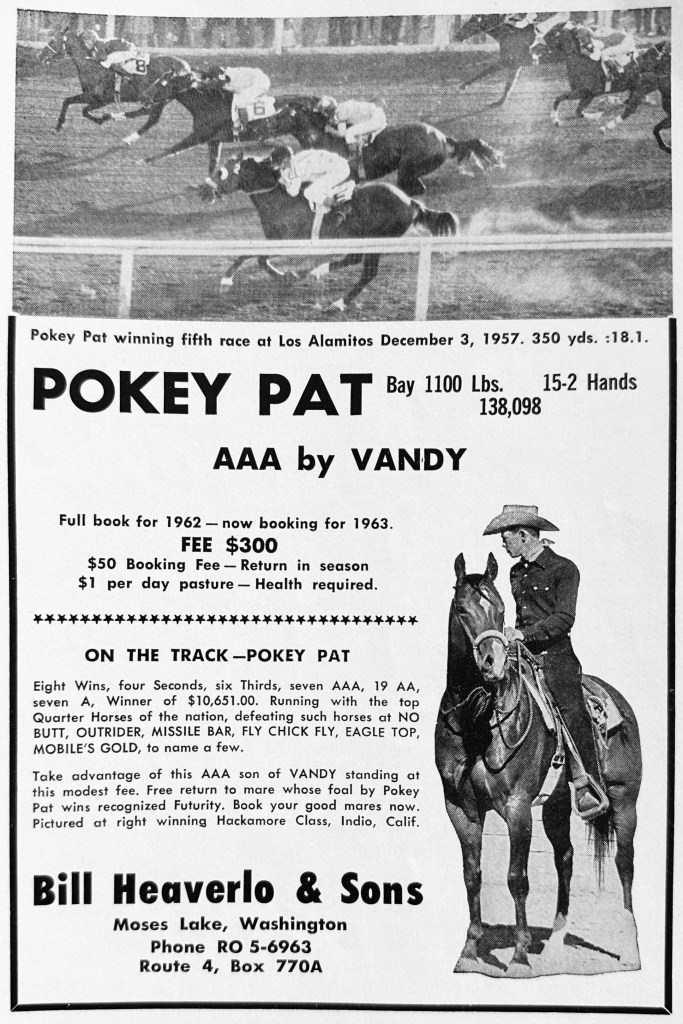
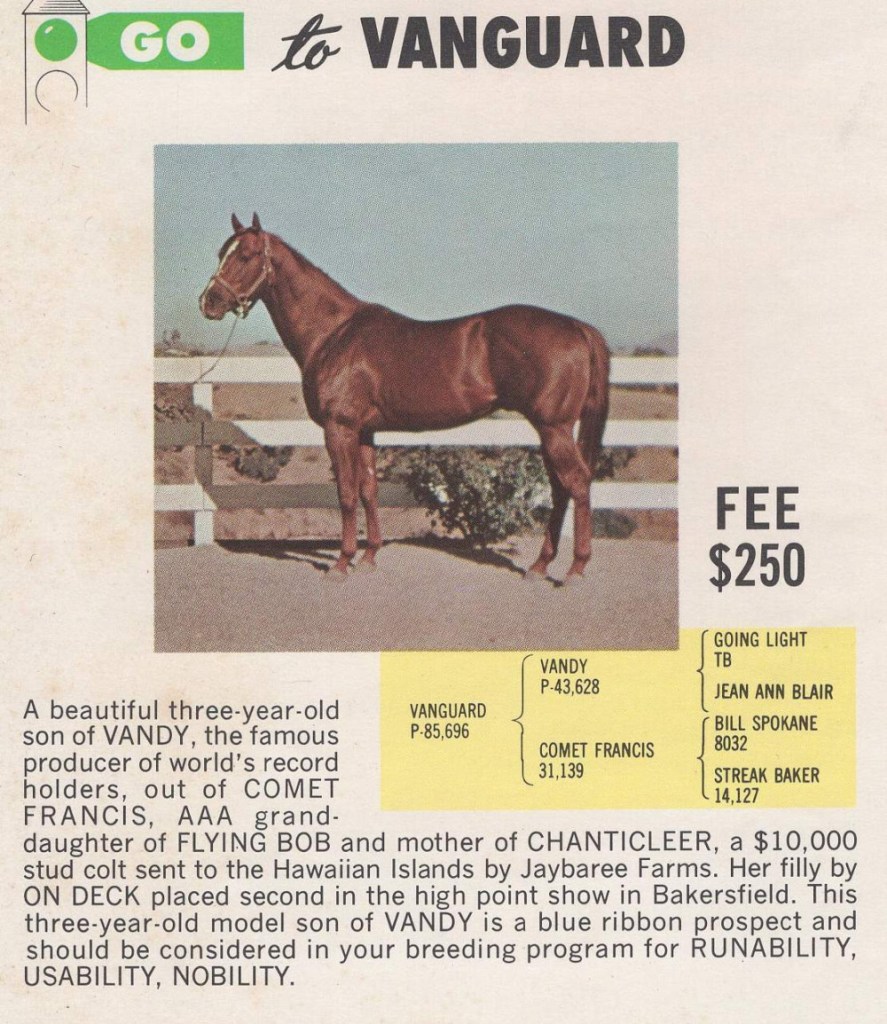
Other stakes winners by Vandy included Bright Bardee, Horny Bill, Vandelita, Bailey’s Vandy, Pokey Pat, Mr Walt and Vanoka. His offspring also excelled in the arena. Vanguard, a chestnut stallion by Vandy and out of Comet Francis, was his leading point earner. Vanguard earned 20.0 halter points and 19.0 performance points. He earned an AQHA Champion designation and was the 1967 High Point Steer Roping horse. Vandy’s sons Rick Van Bar and Vandy Ohi also earned Performance ROMs.
In total, Vandy sired 309 Quarter Horse foals in 22 foal crops. They included 122 race winners, 113 ROM earners, 30 stakes finalists, 15 stakes winners, 14 Superior Race Award earners, 5 Racing Champions and 1 AQHA Champion. They earned $790,573 on the track and 134.0 points in the arena.
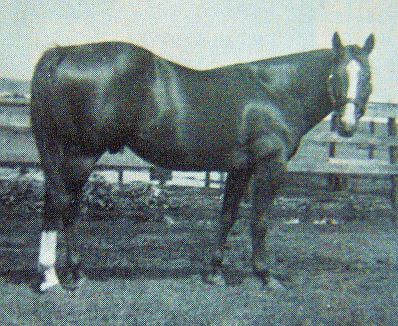
Vandy was not generally regarded as a sire of sires, but his sons begot more than 4,800 AQHA registered foals. The number of total registered foals likely exceeds 5,000 if APHA and ApHC registered foals are included. His sons Lavan, Vandy II, Joe Blair, The Conquest, Vandy Leo, Vanguard, Vandy Joe, Van String, Little Ted, Garrett’s Vandy, Pokey Pat and Tony’s Vandy sired more than a hundred foals each. Daring Do Riker and Irish Guard were just two of the AQHA champions sired by sons of Vandy!
Daughters of Vandy produced 1,036 AQHA registered foals that earned $2,824,897 on the track and 5,877.5 points in the arena. They included 373 race winners, 361 ROM earners, 47 stakes winners and 26 Superior Race Award earners. Mr Jet Moore, a sorrel stallion by Jet Deck and out of Dyna Van, was the leading racing money earner out of a Vandy mare. Mr Jet Moore won 21 of 28 starts, including the Rainbow Derby, Go Man Go Handicap and Champion of Champions. He was the 1972 World Champion Racing American Quarter Horse. Other Racing Champions out of Vandy mares included the previously mentioned Pokey Bar and Blobby Charger.
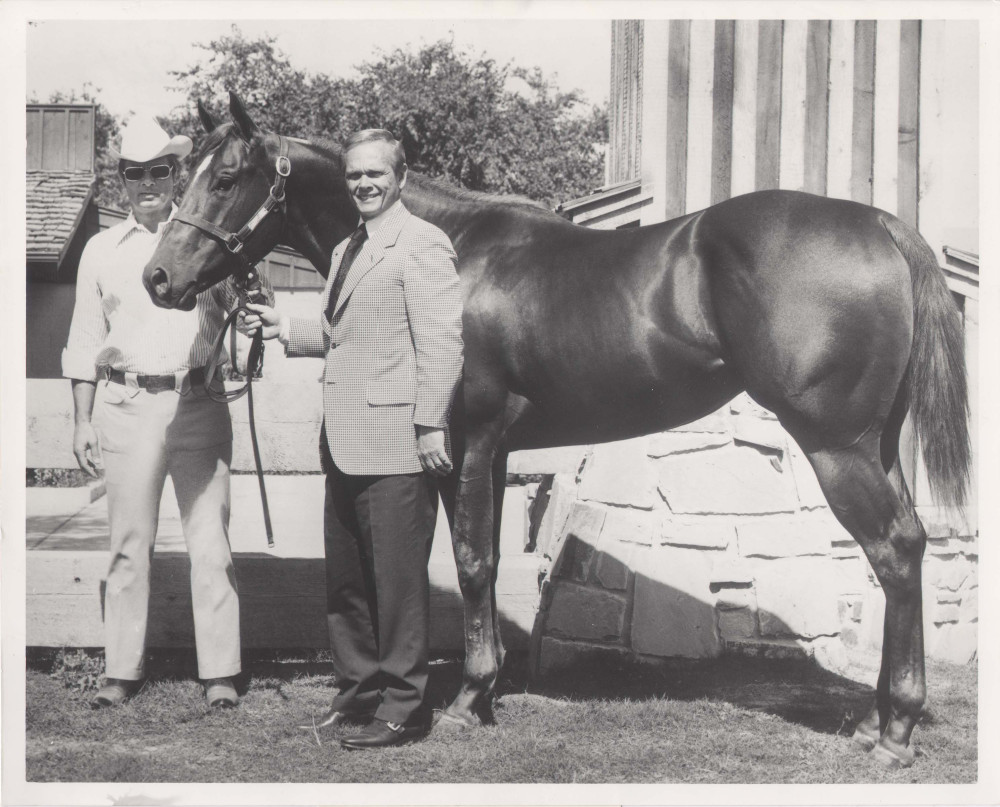
Van Decka, a bay gelding by Decka Center and out of Vanessa Dee, by Vandy, earned the lion’s share of the AQHA points listed above. Van Decka was bred by Johnny Johnson in Missouri. He made three starts on the track and only won $25. After an injury ended his lackluster racing career, Johnson gave the sorrel gelding to his daughter Cheryl. Cheryl and her sister Kim showed Van Decka in Halter, Showmanship, Reining, Western Riding, Western Pleasure, Western Horsemanship, Trail, Hunt Seat Equitation and Hunter Under Saddle. He won the 1974 World Championship in Youth Showmanship and placed in the Top Ten at four AQHA Youth World Shows and on Open World Show. Van Decka earned AQHA Champion titles in the Open and Youth divisions. He was inducted into the AQHA Hall of Fame in 2016.
The next highest point earners out of Vandy mares, Mr Money Cause and Vantive, earned Superior titles in Barrel Racing. Other AQHA Champions out of Vandy mares included Angela Miss, Bar Money Bar, Bruci Doozie, Isleaway Vanette and Vanzi Bar. Triangle Slash was another noteworthy grandson of Vandy. He won two stakes races and later earned $11,703 in the National Cutting Horse Association. The versatility of Vandy’s get and grandget was unrivaled.
Vandy’s last foals were born in 1968. He died just after covering a mare. Vandy was buried on Dee Garrett’s ranch near Pawhuska, Oklahoma. Although he has not been honored with a Hall of Fame induction, he is easily one of the most influential sires in Quarter Horse history.
Sources: Equineline, Equibase, American Quarter Horse Association, Western Horseman, All Breed Database

 The Western Thoroughbred